
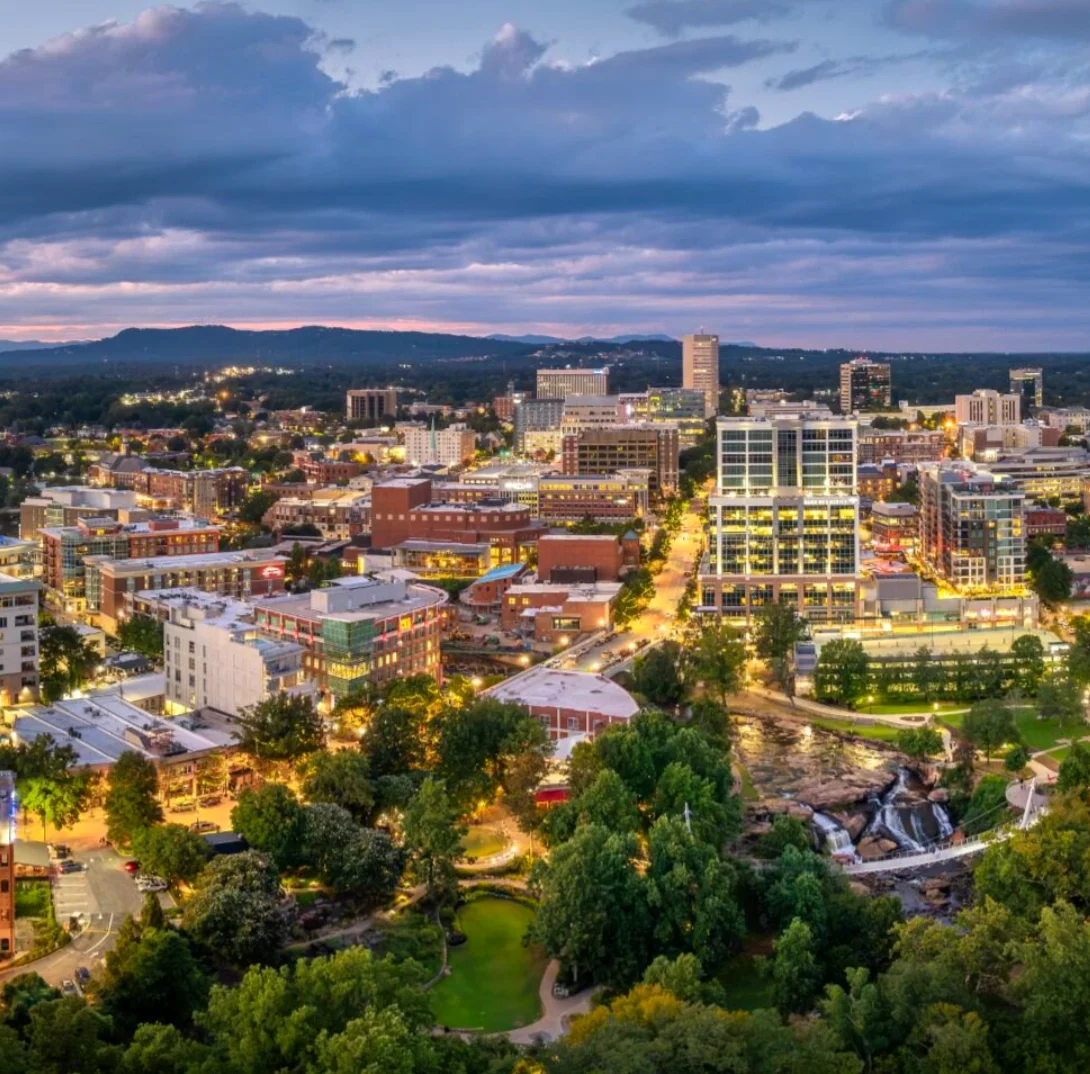
Greenville commercial roofing planning
Roof Work

Church and Religious Building Roofing in Greenville

Church and Religious Building Roofing in Greenville roof planning
Roof Work

Church and Religious Building Roofing in Greenville

Commercial roofing for churches, worship centers, and religious facilities throughout Greenville, SC.

Greenville, South Carolina's Buncombe Street United Methodist Church, a landmark congregation dating to the early nineteenth century with a commanding presence in the heart of downtown, exemplifies the long-term stewardship demands facing historic religious institutions across the Upstate. But Greenville's religious landscape extends far beyond its historic downtown — the city's rapid growth along Woodruff Road and surrounding suburbs has produced sprawling evangelical campuses, Korean-American congregations, and non-denominational megachurches whose commercial roofing needs are just as pressing as those of the oldest sanctuaries in the city. Contractors who serve Greenville's faith community must be equipped for the full range.

South Carolina's coastal and near-coastal climate designations mean that hurricane preparedness is a legitimate consideration even in inland Greenville, which sits roughly two hundred miles from the coast. Major tropical systems that cross South Carolina regularly deliver sustained winds and driving rain to the Upstate well after they have lost hurricane status. Roofing systems on Greenville churches should be specified with wind uplift resistance appropriate for the local design wind speed, which ASCE 7 maps at 115 mph for this area. Mechanically attached single-ply systems and adhered membranes with properly designed edge metal provide the uplift resistance that older gravel-ballasted or loosely attached systems cannot guarantee.

Clear-span sanctuary construction is the norm for Greenville's larger contemporary churches. The suburban mega-church campuses that have expanded along Roper Mountain Road and Pelham Road feature auditorium-style sanctuaries with metal building envelopes, wide steel spans, and low-slope commercial roofs that require professional maintenance on a regular basis. These metal building systems, while efficient to construct, develop their own characteristic failure modes — lap seam separation, fastener backout, and panel corrosion — that differ from conventional commercial roofing and require contractors with specific metal building re-roofing experience.

Capital campaigns in Greenville's growing evangelical congregations often reflect the broader economic prosperity of the Upstate region, which has benefited from significant automotive and manufacturing investment in recent decades. Churches with strong membership growth and a younger demographic have shown willingness to invest in facilities that match their programmatic ambitions. A roofing contractor who can present a compelling value proposition — demonstrating how a quality re-roofing project protects the building for twenty-plus years and avoids the costly interior damage that deferred maintenance produces — will find receptive audiences in Greenville's well-organized church facilities teams.

Scheduling around Greenville church calendars requires particular sensitivity to the vacation Bible school season, which runs through June and July and fills education wings and gyms with children every weekday morning. Fall ministry fairs, community outreach events, and the December holiday programming calendar create additional scheduling constraints. A project manager who builds a comprehensive calendar matrix early in the planning process — plotting out roofing phases against all known church programming dates — earns trust from facilities directors who have been burned by contractors who showed up at inopportune moments in the past.

Committee structures in Greenville churches vary widely. Independent non-denominational congregations may have an elder board with fast decision-making authority, while United Methodist and Presbyterian congregations route decisions through administrative boards and session, respectively. Some larger Greenville megachurches employ professional operations directors who have been through major construction projects before and appreciate dealing with contractors who speak the language of construction management: critical path schedules, submittals, RFIs, and closeout documentation. Meeting each client where they are, rather than applying a one-size-fits-all sales approach, separates effective church roofing contractors from the rest of the market.

Architectural features on Greenville's historic downtown churches present the full spectrum of traditional ecclesiastical details — limestone and brick parapets, copper gutters and downspouts, steeple flashings, and in some cases genuine slate roofs on steep-pitched elements. Downtown Greenville has undergone significant urban revitalization, and the historic churches that anchor blocks around Main Street are taken seriously as architectural assets by the community. Working on these buildings requires not only technical skill but also coordination with Greenville's historic preservation office and sensitivity to the congregation's deep attachment to the building's visual character.

Humidity and temperature cycling in Greenville's Piedmont climate accelerates the aging of roofing materials compared to drier regions. Algae and moss growth on shaded roof areas, membrane blistering from summer heat loading, and granule erosion on modified bitumen surfaces are all common findings on Greenville church rooftops over fifteen years old. A thorough core sample and infrared moisture survey before design allows the roofing contractor to accurately quantify wet insulation that must be replaced rather than simply recovered, producing a more accurate project budget and reducing the risk of change orders.

Maintenance programs following major re-roofing investments are not optional for Greenville churches that want to protect their capital expenditures. Regular semi-annual inspections, particularly before and after hurricane season, identify small problems — open seams, clogged drains, damaged flashings — before they become large ones. A maintenance contract with a responsive local contractor also provides documentation that satisfies the requirements of many commercial property insurance policies and demonstrates to a church's leadership that its facilities team is exercising proper stewardship.

  • Drone Roof Inspection
  • Commercial Roof Coatings
  • Hail Damage Restoration
  • Occupied Building Reroofing
  • Restaurant Roofing
  • TPO Single Ply Roofing
  • Storm Damage Roof Repair
  • Self Storage Roofing
Request Roof Walk
Related Roof Paths

More Greenville roof planning

Roof Work